Table of Contents
ToggleMexico’s political landscape is like a telenovela—full of drama, unexpected twists, and characters that keep you guessing. From corruption scandals to contentious elections, the country’s political issues are anything but dull. As citizens navigate the complexities of governance, they often find themselves caught between hope and frustration, making for a gripping story that’s hard to ignore.
With a rich history of political upheaval and reform, Mexico stands at a crossroads. The challenges it faces today, including violence, economic disparity, and social justice, are not just headlines; they’re the pulse of a nation striving for change. Dive into this captivating narrative and discover how these political issues shape the lives of millions and the future of a vibrant country.
Overview of Political Issues in Mexico
Corruption remains one of the primary political issues in Mexico, permeating various levels of government. Public trust in officials eroded due to numerous scandals involving bribery and misappropriation of funds. Elections often face allegations of fraud and manipulation, leading to widespread disenchantment among voters.
Economic disparity presents another pressing concern. The wealth gap between the affluent and the impoverished continues to grow, leaving millions in precarious situations. Many citizens struggle with limited access to quality education, healthcare, and job opportunities, intensifying social tensions.
Violence, fueled by organized crime and drug trafficking, poses significant challenges. Homicide rates remain alarmingly high, making personal safety a top priority for many residents. Communities endure the ramifications of ongoing conflicts, which contribute to an atmosphere of fear and instability.
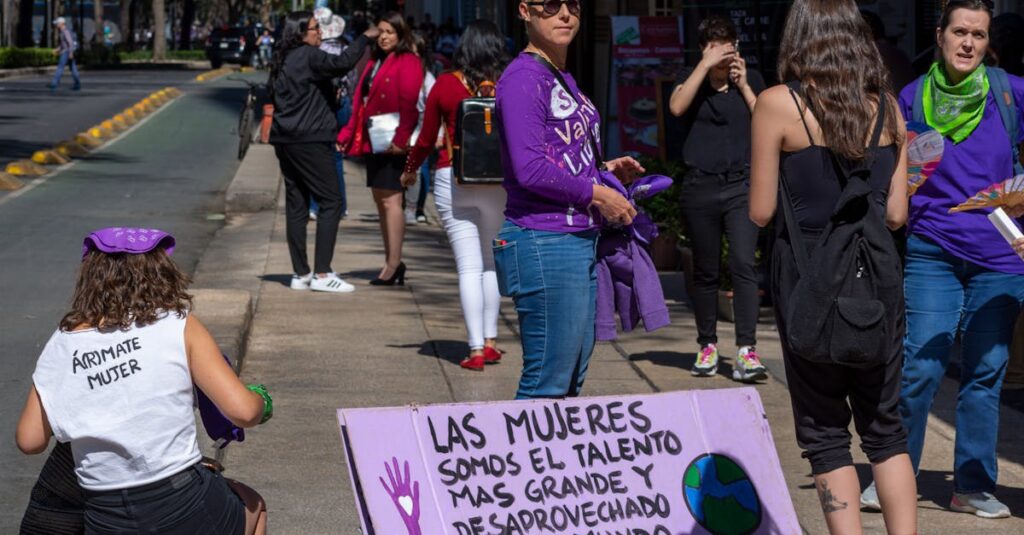
Social justice also garners attention, particularly concerning human rights abuses. Indigenous groups frequently face discrimination and oppression, while activist movements strive to address systemic inequalities. Public protests have become commonplace, emphasizing the need for reform and greater representation.
Political reforms aim to address these challenges, but progress often stalls. Legislative changes seek to enhance transparency and accountability, yet implementation proves difficult. The political climate remains fluid, with new developments arising regularly, influencing the trajectory of Mexico’s future.
Historical Context
Mexico’s political landscape is deeply rooted in its tumultuous history, shaped by a series of systemic changes and significant events. Understanding this history illuminates current challenges and ongoing political issues.
Evolution of Political Systems
Political systems in Mexico have undergone significant transformations since the country’s independence in 1821. Revolutions, such as the Mexican Revolution of 1910, sought to address social inequalities and foster democracy. A single-party system dominated for most of the 20th century, enabling the Institutional Revolutionary Party (PRI) to maintain power through widespread patronage. Changes in the late 20th century introduced multiparty democracy, altering political dynamics and allowing for more competitive elections. This evolution highlighted the transition from authoritarianism to a more pluralistic political environment, as well as the persistent struggles with corruption and public trust.
Key Events Influencing Politics
Several key events have influenced Mexico’s political framework. The 1968 Tlatelolco massacre, in which government forces killed numerous student protesters, sparked widespread disillusionment. The North American Free Trade Agreement (NAFTA) in 1994 significantly impacted the economy, leading to debates over economic policy and trade relations. The election of Vicente Fox in 2000 represented a crucial shift, marking the first time the PRI lost power since 1929. More recently, the emergence of organized crime and drug trafficking has intensified political violence and corruption, complicating governance and public safety. Each event has left a lasting imprint, underscoring the complexities of Mexico’s political development.
Current Political Landscape
Mexico’s political landscape is complex and continuously evolving. Citizens face various pressing issues, including corruption, violence, and social justice.
Major Political Parties
Several political parties compete for influence in Mexico. The National Regeneration Movement (Morena) emerged as a significant force, advocating for social programs and reforms. The Institutional Revolutionary Party (PRI) remains relevant despite past dominance, emphasizing stability and tradition. Meanwhile, the National Action Party (PAN) focuses on market-oriented policies and transparency. Discontent with traditional parties led to the rise of smaller parties, such as the Progressive Social Networks and the Labor Party. Political dynamics shift with each election cycle as voter attitudes change and alliances form.
Leadership and Governance
Current leadership in Mexico significantly influences policymaking. The president plays a crucial role in shaping national strategy and public perception. Andrés Manuel López Obrador, elected in 2018, advocates for tackling corruption and wealth inequality. His administration faces challenges from opposition parties aiming to question its effectiveness. Additionally, state and local governments play roles in implementing policies. They address issues such as security and healthcare at regional levels. The interplay between various political entities drives both progress and obstacles in governance.
Social Issues Impacting Politics
Social issues significantly influence Mexico’s political landscape. Key concerns include corruption and inequality, which undermine stability and public trust.
Corruption and Accountability
Corruption deeply affects Mexico’s governance. Scandals involving public officials lead to widespread disillusionment. Citizens frequently express frustration over unpunished corrupt practices. Recent reports indicate that 50% of citizens believe corruption worsened under previous administrations. Additionally, low accountability for officials creates an environment of impunity. The ongoing efforts to improve transparency highlight the high demand for reform. Activist movements strengthen calls for better governance. Advocates push for stronger oversight and independent investigations. Increased public awareness facilitates these demands and encourages political engagement among citizens.
Inequality and Poverty
Inequality remains a prominent issue in Mexico. Reports show that about 42% of the population lives below the national poverty line. Access to quality education and healthcare often varies dramatically across regions. Rural areas frequently face higher poverty rates compared to urban centers. Limited opportunities for marginalized groups fuel discontent and social unrest. Economic policies aimed at addressing these disparities often lack effective implementation. Activist organizations advocate for increased support and resources for disadvantaged populations. As citizens demand change, political pressures to address this inequality mount. Comprehensive strategies targeting poverty and promoting social equity become essential for economic and social stability.
International Relations
Mexico’s international relations reflect its significant influence in Latin America and its complex ties with the United States.
Mexico’s Role in Latin America
Mexico plays a pivotal role in Latin America, serving as a bridge between cultures and economies. It actively participates in regional organizations like the Community of Latin American and Caribbean States (CELAC) and the Organization of American States (OAS). Increased trade partnerships contribute to economic collaboration across borders. Mexico supports initiatives that address poverty, climate change, and human rights issues within the region, positioning itself as a leader among its peers. Recent diplomatic efforts focus on strengthening ties with Central America to combat migration and enhance security cooperation.
Relations with the United States
Relations with the United States stand as a cornerstone of Mexico’s foreign policy. Economic ties, strengthened through trade agreements like the United States-Mexico-Canada Agreement (USMCA), drive mutual prosperity. Close cooperation in security matters addresses challenges such as drug trafficking and organized crime, creating shared responsibilities. Frequent diplomatic dialogues ensure that both nations address border management and immigration policies. Challenges arise from differing approaches to issues, including trade and human rights, but ongoing discussions aim to find common ground to foster a stable partnership.
Mexico’s political landscape is marked by a tapestry of challenges that intertwine corruption violence and social justice. As citizens navigate these turbulent waters they continue to demand accountability and reform from their leaders. The ongoing struggle for equality and representation highlights the resilience and determination of the Mexican people.
While the nation faces significant hurdles the evolving political dynamics offer a glimpse of potential change. Activist movements and public protests reflect a growing desire for a more equitable society. As Mexico moves forward it must confront these issues head-on to build a brighter future for all its citizens.