Table of Contents
TogglePolitics can feel like a never-ending circus, complete with clowns, tightrope walkers, and the occasional lion tamer. Every day, citizens grapple with political issues that shape their lives, from healthcare to climate change. Understanding these topics isn’t just for political junkies; it’s essential for anyone who wants to navigate the complex world we live in.
Overview of Political Issues
Political issues represent challenges and debates that impact societies globally. They encompass a range of topics, including healthcare, climate change, immigration, and social justice. Nations face different priorities based on their unique cultural and economic contexts.
Healthcare has gained significant attention due to rising costs and accessibility concerns. Citizens increasingly demand reforms to ensure adequate coverage for everyone. Inequalities in healthcare systems often lead to disparities in treatment and outcomes.
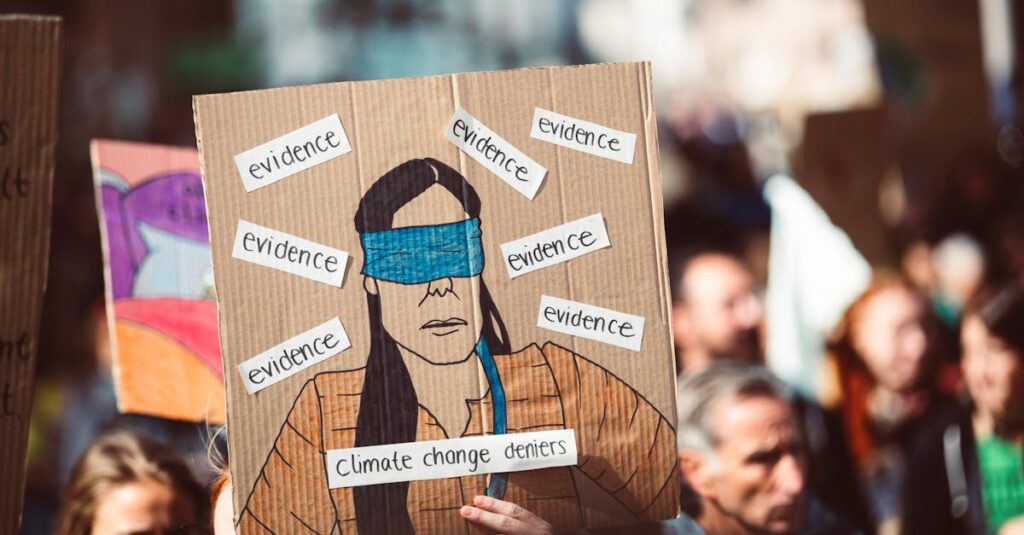
Climate change poses a crucial threat to the environment and public health. The need for sustainable practices grows as data shows increased extreme weather events. Policymakers engage in discussions about renewable energy sources and emissions reductions to mitigate these effects.
Immigration policies spark debates surrounding national security, economics, and human rights. Countries grapple with the balance between securing borders and providing humanitarian assistance. Diverse opinions on the issue often lead to polarized political climates.
Social justice movements highlight issues such as racial equality, gender rights, and LGBTQ+ rights. Advocacy efforts push for legal reforms and equal treatment across all societal aspects. Awareness of these issues continues to expand as individuals share experiences through various platforms.
Understanding these political issues empowers citizens to participate in civic discussions and influence decision-making processes. Engaging with the complexities of these matters fosters a more informed electorate and promotes accountability in governance.
Economic Political Issues
Economic political issues feature prominently in contemporary discussions, particularly regarding their societal impact.
Income Inequality
Income inequality poses a significant challenge in many countries. The gap between the rich and the poor continues to widen, influencing social stability and economic growth. Studies indicate that in the U.S., the top 20% of households earn more than 50% of total income. This disparity leads to reduced access to education and healthcare for lower-income individuals. Policymakers often debate solutions like progressive taxation and minimum wage increases to address these imbalances. Advocacy groups also emphasize the need for economic reforms that promote equitable opportunities for all. Significant awareness of this issue encourages public discourse about the importance of inclusive economic policies.
Unemployment Rates
Unemployment rates directly affect economic stability and family well-being. A significant increase in these rates can lead to widespread economic challenges. As of October 2023, the unemployment rate in the U.S. stands at approximately 4%. High unemployment generally correlates with a decrease in consumer spending, further impacting businesses. Governments typically respond by implementing job creation programs and stimulus packages aimed at revitalizing the economy. Employment training initiatives also surface as essential strategies for enhancing workforce readiness. Increased focus on job security and economic resilience is vital for communities facing these challenges.
Social Political Issues
Social political issues encompass various concerns that affect communities and societies. Understanding these issues proves essential for informed civic engagement.
Civil Rights
Civil rights movements significantly influence societal change and address essential issues like racial discrimination, gender equality, and voting rights. Advocacy groups promote policies to empower underrepresented populations, ensuring equal protection under the law. Legislative measures aim to safeguard rights for all citizens and challenge systemic injustices. Recent statistics show that states have enacted over 200 voting-related laws since 2020, motivated by civil rights activists striving for equitable access to the ballot. Ensuring that every vote counts remains a priority for many organizations advocating for democracy. Engaging with local initiatives fosters a deeper understanding of these rights and encourages community participation.
Immigration
Immigration debates prominently shape political discourse and influence national policies. As of October 2023, approximately 45 million immigrants reside in the United States, contributing to a diverse cultural landscape. Discussions center around pathways to citizenship, border security, and the humanitarian implications of immigration laws. Many advocate for comprehensive reforms that balance national security with the need for humane treatment of asylum seekers. Policies like DACA (Deferred Action for Childhood Arrivals) illustrate efforts to protect undocumented individuals brought to the U.S. as children. Fostering open dialogue about immigration encourages community empathy and understanding, reflecting the complexities of modern society.
Environmental Political Issues
Environmental political issues significantly influence public policy and societal direction. Citizens increasingly prioritize awareness of these challenges, particularly regarding climate change and conservation efforts.
Climate Change Policies
Climate change policies reflect the urgent need to address global warming. Governments implement regulations focused on reducing greenhouse gas emissions, promoting renewable energy, and enhancing energy efficiency. The U.S. aims for a 50-52% reduction in emissions by 2030, showcasing a commitment to sustainable practices. International agreements, such as the Paris Agreement, facilitate cooperation among nations to mitigate climate impacts. Engaging communities in climate initiatives can promote grassroots movements that influence local and national policies.
Conservation Efforts
Conservation efforts play a crucial role in protecting natural resources and biodiversity. Initiatives like the Endangered Species Act safeguard threatened flora and fauna. Approximately 1,300 species benefit from this legislation, promoting ecosystem balance. Local governments often collaborate with nonprofits to implement conservation programs. Programs that encourage reforestation, habitat restoration, and pollution reduction contribute to environmental health. Elevating public awareness around conservation can drive support for policies that prioritize sustainable practices.
International Political Issues
International political issues encompass global challenges that significantly impact societies. Understanding these issues is vital for informed public discourse.
Geopolitical Conflicts
Geopolitical conflicts often arise from territorial disputes, resource competition, or historical tensions. In 2023, the ongoing conflict in Ukraine continues to reshape international relations, highlighting the need for diplomatic resolutions. Countries engage in economic sanctions, military alliances, and peace negotiations to address these disputes. Conflicts in the Middle East also illustrate the complex interplay of religion, nationalism, and external intervention, affecting global stability. The South China Sea dispute further emphasizes maritime rights, impacting trade routes and international law. Efforts at conflict resolution require collaboration among nations to foster peace and security.
Human Rights Violations
Human rights violations remain a pressing global concern. Reports document abuses including torture, unlawful detentions, and suppression of free speech in various regions. In 2023, organizations like Amnesty International highlighted significant violations in countries facing authoritarian regimes. The plight of Rohingya Muslims in Myanmar exemplifies the dire consequences of ethnic cleansing and displacement. Governments, international bodies, and NGOs strive for accountability and justice to mitigate these issues. Advocacy for LGBTQ+ rights and freedom of expression faces resistance in several nations, requiring persistent global attention and activism. Addressing human rights violations is essential to uphold dignity and promote global equality.
Understanding political issues is vital for every citizen. Engaging with topics like healthcare, climate change, and social justice equips individuals with the knowledge to navigate today’s complex landscape. Awareness of economic disparities and employment challenges fosters community resilience and encourages informed discussions.
Moreover, recognizing the significance of international political dynamics enhances global citizenship. As citizens become more engaged in these discussions, they contribute to a more accountable and responsive governance system. Ultimately, informed individuals can drive positive change in their communities and beyond.